Equine Behavior & Psychology (Available in all formats - consulting, talks, coaching - virtually or in person) Below is a sample of some of the many topic areas available on horse-human interactions
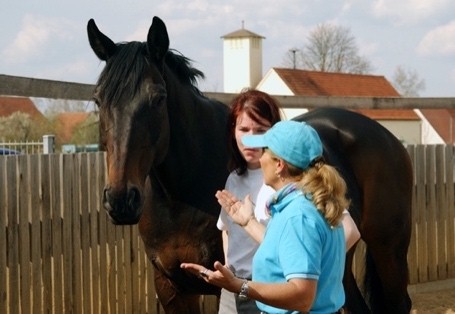
Learn how to understand the true nature of horses and their cultures. Based on over 45 years of wild horse studies comparing behaviors and applying social ecology to the management and training of horses, you will learn how to move from human-centric thinking to horse-centric. Learn simple things you can also teach your students such as breathing together, calming signals, using touch on specific points or bringing your hearts into coherence to quickly gain a horse’s trust and connection.
Horse Personality Assessments
The S.A.I.C.C. Evaluation
Equine Behavior Issues
from stable to show ring.
Essential Skills for Horses-
teach your horse what he/she needs to learn to be a functional horse before working on training. Learn what horses teach horses. Knowing these skills will help minimize stress for both you and your horse and give your horse more confidence.
Stress Assessments-
Learn how to assess stress in you and your horse as well as manage stress at all levels of horse-human interactions. Mental and emotional stress in horses often go unnoticed until there is either a behavior or physical issue. Managing stress on all levels leads to better performance and happier and healthier people and horses.
Horse Play -
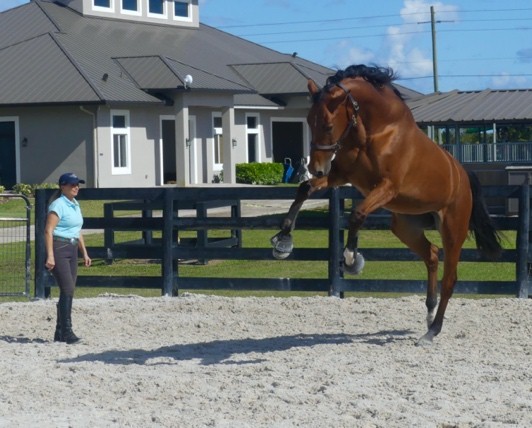
Young horses, like most species learn through play and social interactions with their families and herd mates. Play is essential for building confidence, establishing relationships, learning awareness, establishing social order, releasing stress, learning respect, how to think and building a sense of joy. Learn safe ways to interact and have fun with your horse that is “horse-centric”.
Behavior in the Barn -
Basic overview of how horses behave and communicate in day to day life in a barn with people and with other horses. From grooming to feeding and social interactions to training, become more aware of the subtle behaviors.
Horse-Human Communication -
Integrating cognitive science, neural biology, intuition with a little bit of quantum physics, you will learn a variety of tools to open up and have clearer channels of communication with your horse. Communication underlies everything from relationships to learning. The more you can listen to your horse and understand their subtle language, the better your horse will feel and perform.
Body Talk -
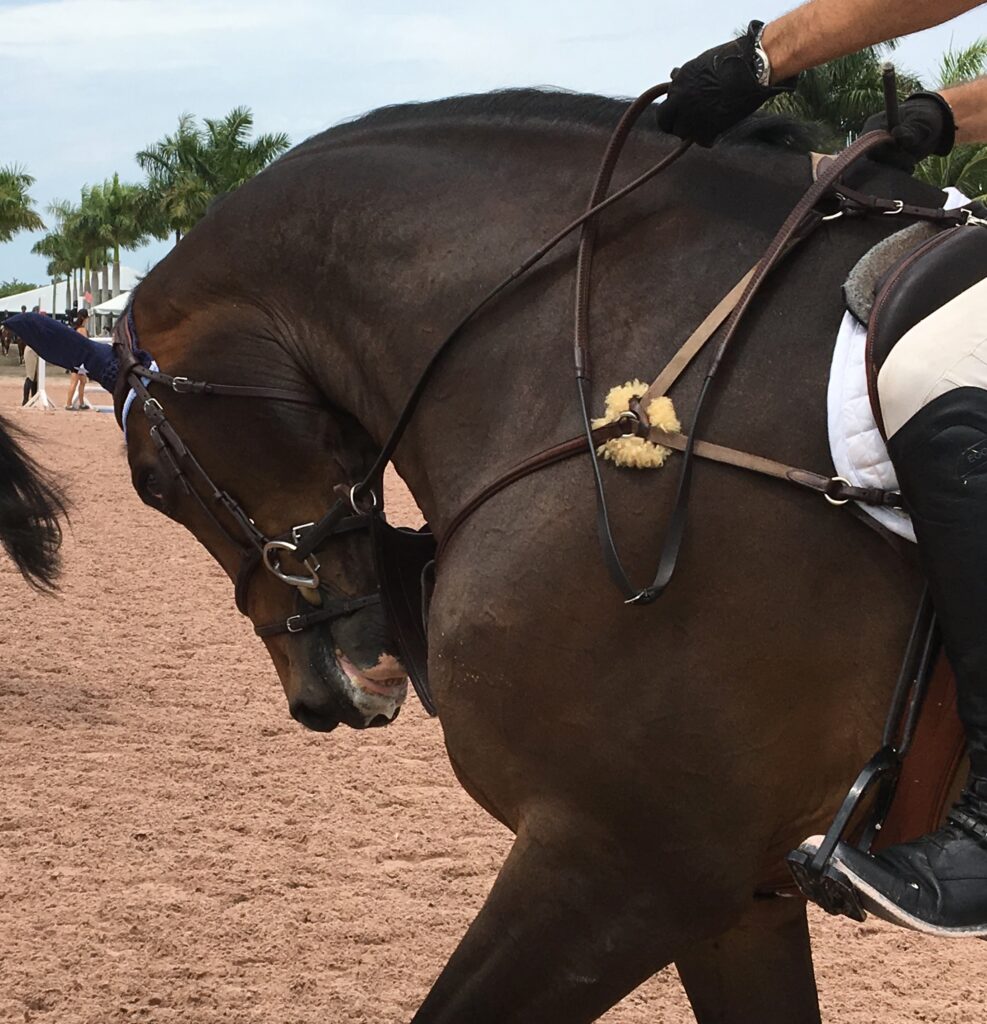
Learn how much information your horse’s body can give you about their mental, emotional and physical states. Through observation, touch, range of motion, proprioception, awareness and expression of feelings, you can gain a greater understanding of what your horse is feeling and thinking.
Wild Horses - Understanding Equine Culture -
Guaranteed to inspire you and give you the knowledge few horsemen have about horses. When you know what a horse knows and can teach horse culture to your horse, you become an important friend and partner. Primarily in talk format, I share my years of wild horse research focused on identifying the functional social behaviors of horses and how various behaviors are learned leading to different equine cultures.
Equestrian Psychology -
Education for therapists and trainers to gain tools for both humans and horses. Incorporates equine and human behavior, sports psychology, coaching, motivation, age appropriate learning and interspecies communication. Understand the differences between equestrian psychology, psycho-therapy and coaching.
Mindfulness and Meditation With Horses
Inner Rider and Riding Rhythms
-
Horses are great teachers to help us slow our energy down, learn to breath and become very present in the moment. Using mindfulness techniques both on the ground and riding will help you and your horse relax and focus, as well as build connection and better communication. Enjoy learning together using music and visualizations, mounted or on the ground
Equine Sports Coaching
-
Be a better coach by learning mental and emotional skill building tools for horse and rider. Understand how to assess horse/rider teams and determine learning styles for both horse and rider to back your training with a strong foundation. Gain tools from understanding equestrian psychology such as using NLP, listening skills, goal setting, and motivational techniques for humans and horses. Learn how to assess and teach stress management techniques to both horse and rider.
Horse Welfare
-
Mental and emotional health in horses often goes unnoticed until there is a physical or behavioral breakdown. Learn how to ensure horses really are happy and healthy by understanding the factors that cause welfare issues. From economics to ethics and from ignorance to intentional negative training learn the impacts these factors have on horses and what to do to offset them.
Horsewomen are stable women – well maybe sometimes. But women often interact differently than men with horses. They are more intuitive and can use emotional intelligence more in line with how horse feel. Horsewomanship provides a different philosophy to interact, train and care for horses.
Equestrian Leadership
-
Ethics, economics, empowerment, horse welfare, riding for a purpose, collaboration, leadership skills, team building- these are just some of the topics covered under equestrian leadership program. A good speaker topic for many horse groups, especially to inspire students and young riders.
Equestrian Life Coaching
-
Add tools to your coaching profession. Whether you are a trainer or coach wanting to expand your program to include basic life coaching for your students or a therapist wanting to work with horses and people, learn helpful techniques and models to assist your clients having more meaningful lives with their horses.
Horse-Human Interaction
Program Development
-
Coaching and consulting for expanding your horse business or your therapy practice to include a horse-human interaction program. From experiential learning to stress management, horses interacting with humans have defined a new and growing field. I have assisted a number of programs since the 1980s helping establish and grow various sectors of the horse-human interaction fields providing BMPs for horses and guiding professionals.
Holistic Equestrians
-
Put it all together. Learn natural whole system approach by understanding nature and horses. Learn about how aromatherapy and flower essences can help naturally to manage stress in horses (and people) or how magnetic fields can reduce flies. Learn simple techniques such as using kinesiology tape or how simple it is to communicate with horses without bits using the horse’s neural physiology
Equine and Equestrian Marketing
-
The world of horses is one of the broadest most diverse fields for marketing all involving the same creature – the horse. But it is difficult to enter if you do not know the access points, the market, the various disciplines and opportunities. I help people understand our horse world from sport horses to horse-human interaction programs. I have tracked, researched, and consulted on a variety of horse marketing projects for businesses, universities and governments.
Equestrian Planning
-
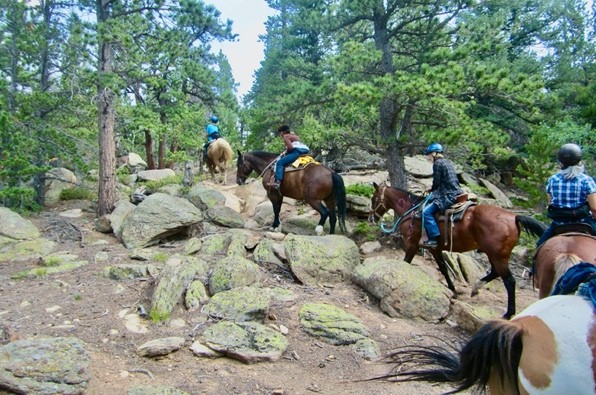
Helping local governments, developers and organizations protect and plan for horses and open space by providing consulting guidelines for land use zoning, community development and trails in rural and urban environments. As land disappears it becomes more critical to preserve trails and open space which not only serve the equestrian community, but the general population as well.
Horse Tourism
“Gentle Hoofbeats”
-
Learn how to expand your existing business and attract new people or set up a side program in tourism. Agri/horse tourism is a growing field and offers a variety of opportunities for developing a versatile horse business.